Business
Corporate America braced for Democrats to unleash investigations
By Marcus Chen
Advertisement · Why this ad?
Marcus manages the day-to-day editorial workflow across all brands, coordinating coverage assignments and ensuring editorial standards are met. He previously served as city editor at the Pioneer Press and holds a degree in Political Science from Carleton College.
More from Marcus →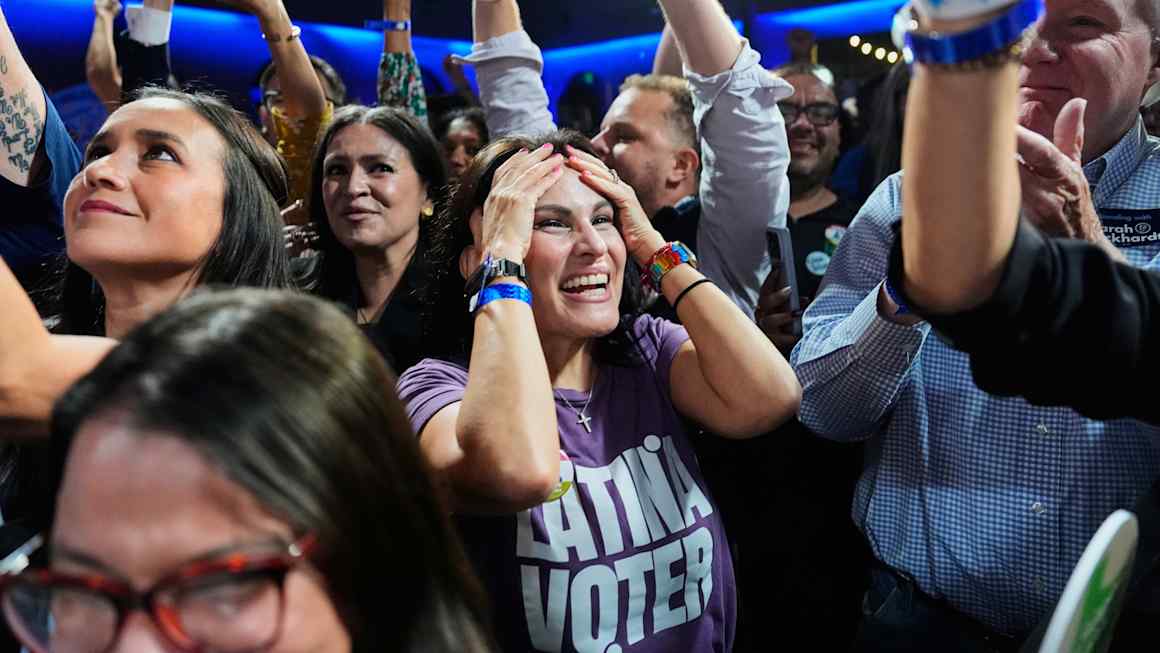
As the sun set on election night, the streets of New York City buzzed with anticipation. Crowds gathered outside polling stations, eager to hear the results of the midterm elections. The atmosphere was electric, a mix of hope and anxiety, as voters awaited the verdict on their choices. This year's midterms were particularly significant, showcasing a shift in voter sentiment across various demographics.
In a surprising turn of events, the midterm elections resulted in broad gains for the Democratic Party across nearly all demographic groups. This marked a notable shift from previous years, where the party struggled to connect with key voter segments. According to early reports, Democrats made substantial inroads among suburban voters, women, and younger demographics, leading to a more favorable outlook for the party as they head into the next election cycle.
The outcomes were not just limited to urban areas; rural regions also saw a notable increase in Democratic support, challenging the traditional stronghold of Republican dominance. Analysts attribute this shift to various factors, including a heightened focus on issues such as healthcare, education, and social justice, which resonated with a broader audience.
One of the most striking trends from the midterm results was the increased engagement of younger voters. Turnout among voters aged 18-29 surged, with many citing issues like climate change and student debt as pivotal reasons for their participation. This demographic shift indicates a growing awareness and urgency among younger citizens regarding political issues that affect their future.
Women voters also played a crucial role in the Democratic gains, particularly in suburban districts. Many women expressed their dissatisfaction with the current administration's policies, especially regarding reproductive rights and healthcare access. This collective sentiment translated into a significant turnout, with many women actively campaigning and mobilizing their communities.
The suburban shift cannot be overlooked. Traditionally a Republican stronghold, suburban areas across the country flipped to support Democratic candidates. This was particularly evident in states like Virginia and Pennsylvania, where candidates focused on local issues that resonated with suburban families. Concerns over education, public safety, and economic stability were at the forefront of voters' minds, leading to a decisive shift in support.
Moreover, the impact of grassroots movements cannot be understated. Local organizations mobilized voters, emphasizing the importance of every single vote. This grassroots effort helped to educate voters on the issues at stake, resulting in a more informed electorate.
The implications of these midterm results extend far beyond the political sphere. Communities across New York City and beyond are likely to feel the effects of this electoral shift in the coming months. With Democrats gaining ground, policies related to education, healthcare, and social justice are expected to take center stage in legislative discussions.
For families in New York, this could mean increased funding for public schools, improved healthcare access, and more robust social programs. The emphasis on community-oriented policies aligns with the values of many residents who prioritize strong families and supportive environments for their children.
Local leaders, such as City Council members and community organizers, are already mobilizing to ensure that the voices of their constituents are heard. Community forums are being scheduled to discuss the implications of these election results and to strategize on how to advocate for policies that directly benefit local residents. For instance, organizations like the New York City Alliance for Immigrant Justice are preparing to push for more inclusive policies that address the needs of immigrant families, which have been a significant part of the city's demographic fabric.
The midterm elections also brought forth stories of individuals whose lives are directly impacted by these political changes. Take, for example, Maria Gonzalez, a single mother from the Bronx, who expressed her relief at the election outcomes. “I was worried about my children’s future,” she said. “With the new Democratic leadership, I feel like we might finally see some changes in education and healthcare that we desperately need.”
Similarly, James Lee, a college student who participated in his first election, shared his excitement. “I voted because I wanted to see action on climate change. It’s our future at stake, and I’m glad to see that more young people are stepping up,” he noted. These personal stories highlight the real-world implications of political decisions and the importance of civic engagement.
As the dust settles from the midterm elections, the focus now shifts to the future. Democratic leaders are keen to capitalize on this momentum, aiming to solidify their gains and address the pressing issues that matter to their constituents. The next few months will be critical as they work to implement policies that reflect the needs and desires of their voter base.
In contrast, Republican leaders will need to reassess their strategies and consider how to reconnect with voters who have shifted their allegiance. The challenge will be to address the concerns that led to the Democratic gains while also appealing to their traditional base.
Ultimately, these midterm results signal a shift in the political landscape, highlighting the importance of understanding and addressing the needs of diverse communities. As New Yorkers look ahead, the hope is for leaders who will prioritize the values of strong families, community commitment, and authentic faith in their governance.
In light of these results, local activist groups are already strategizing their next steps. Many organizations are planning to ramp up their efforts in voter education and registration drives, particularly targeting underrepresented communities. The goal is to ensure that the momentum gained during the midterms translates into sustained civic engagement.
Additionally, there is a call for more community-led initiatives that encourage dialogue between constituents and their elected officials. Town hall meetings and listening sessions are being organized to facilitate this communication, allowing residents to voice their concerns and ideas directly to policymakers.
As New Yorkers navigate this new political landscape, the importance of staying engaged cannot be overstated. The midterm results have opened a door to new possibilities, and it will be up to the community to walk through it, ensuring that their voices are heard and their needs are met.
By Marcus Chen

By Katherine Langford

By Katherine Langford

By Katherine Langford